
Why Friendship Peak Base Trek is on every trekker's list
The Friendship Peak Base Trek is a 5–6 day moderate-to-difficult trek in Himachal Pradesh, starting at Dhundi (2480m) near Manali and reaching a glacier-edge base camp at 4800–5000m beneath the 5289m summit.
Nestled in the Kullu District of Himachal Pradesh, the Friendship Peak Base Trek is the kind of trail that stays with you long after you've returned to the plains. Friendship Peak itself tops out at 5289m above sea level, making it one of the more accessible high-altitude summits in the Indian Himalaya — but you don't need to be a mountaineer to experience its magic. The base camp trek alone delivers jaw-dropping views, genuine high-altitude adventure, and a sense of achievement that intermediate trekkers rarely find so close to a tourist hub like Manali.
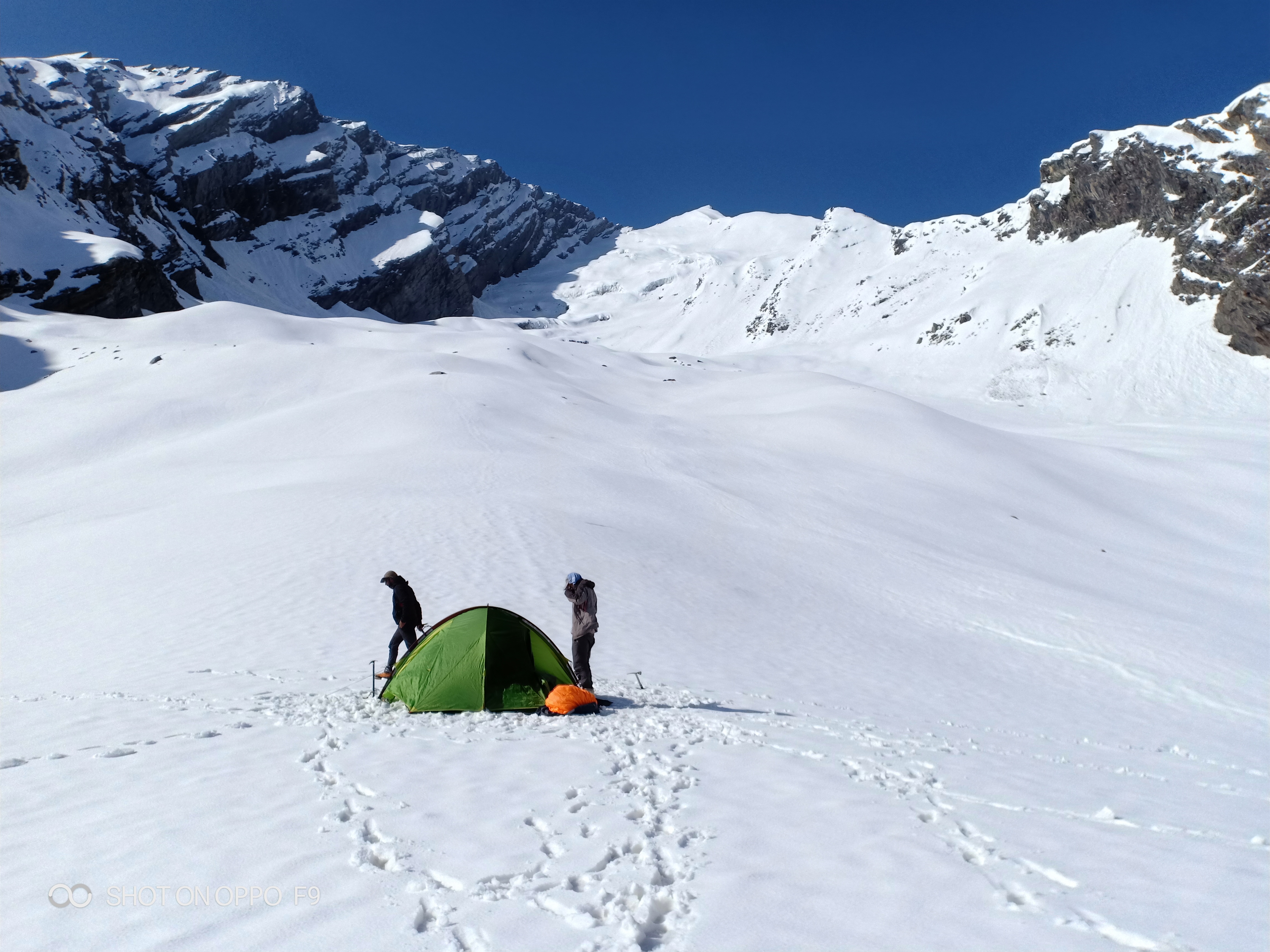
The trail begins at Dhundi in the upper Solang Valley, barely 14 km from Manali, and winds through dense forest, boulder-strewn moraines, and sweeping alpine meadows before depositing you at a glacier-ringed base camp above 4800m. Along the way you'll pass through beloved campsites at Bakarthach and Lama Dugh, and on clear days the giants of the Kullu-Lahaul skyline — Deo Tibba (6001m) and Indrasan (6221m) — fill your horizon.
This guide covers everything you need to plan your 2026 Friendship Peak Base Trek: the full route, day-wise itinerary, best season, permits, realistic costs, what to pack, and how to stay safe at altitude.
In an era when popular Himachal trails like Hampta Pass and Beas Kund can feel overcrowded in peak season, the Friendship Peak Base Trek occupies a rare sweet spot: iconic but not overrun.
Here's why trekkers keep choosing it:
- Proximity to Manali. The trailhead at Dhundi is under an hour from Manali by road. You can be on the trail by mid-morning on Day 1 without an overnight bus journey.
- Unbeatable panoramas. Views of Deo Tibba, Indrasan, Hanuman Tibba, and the Solang Valley spread out below are among the finest in the Kullu range.
- High-altitude achievement without technical climbing. The base camp sits above 4800m — high enough to challenge your body and reward your mind — yet no ropes, ice axes, or technical skills are required (unlike the summit attempt).
- Varied, beautiful terrain. From pine and birch forest near Dhundi to open meadows at Lama Dugh and glacial moraine near base camp, the landscape evolves dramatically each day.
- Off-beat status. While not unknown, the trail sees a fraction of the footfall of Triund or Kheerganga, meaning quieter campsites and a more authentic wilderness feel.
- Natural stepping stone. It pairs naturally with nearby treks — the Deo Tibba Base Camp Trek and Beas Kund are logical companions or alternatives.
At a glance
Ask TrekSage about Friendship Peak Base Trek
Get instant answers grounded in verified trek data — beginner-friendliness, best months, permits, packing, and more.
The route at a glance
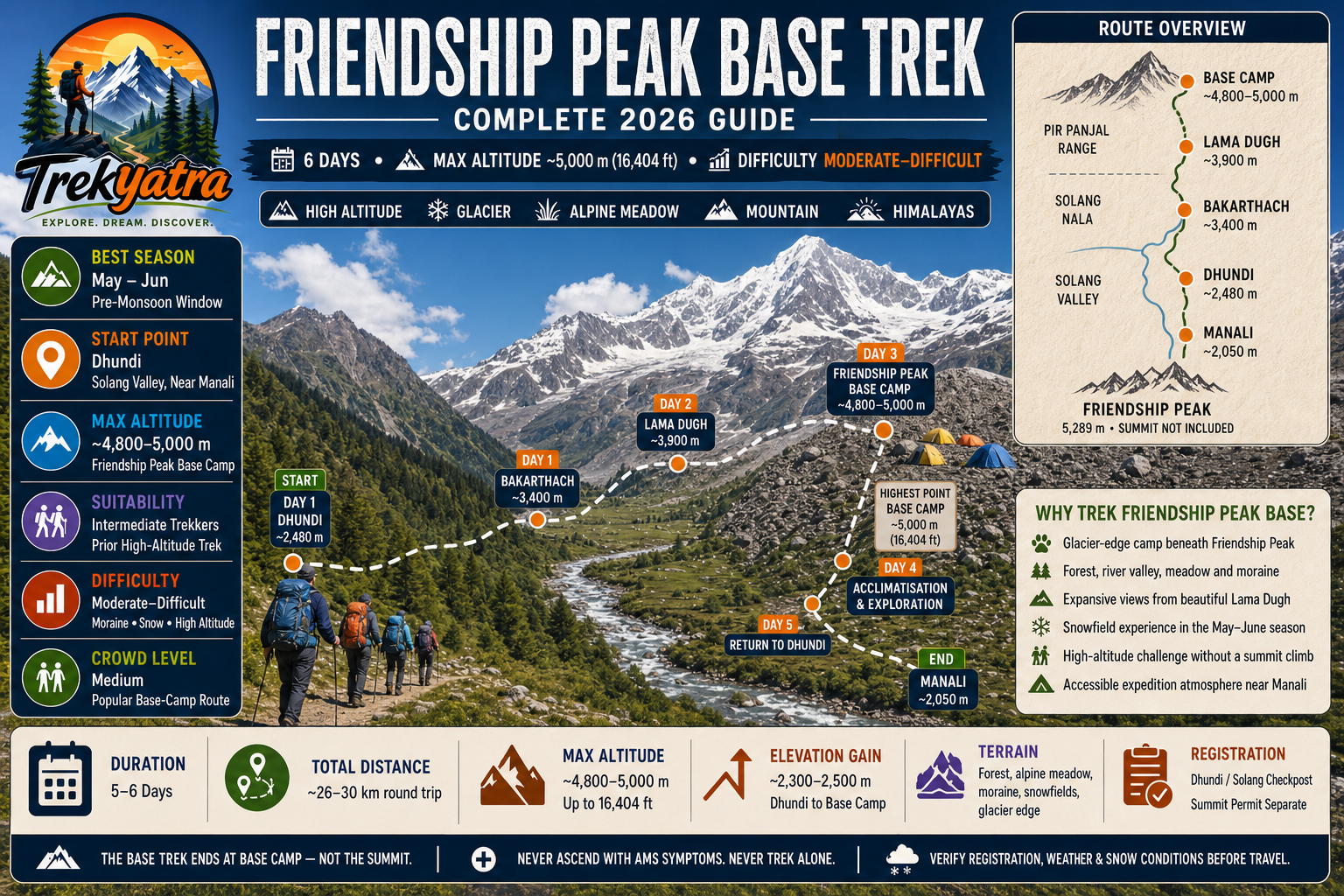
The standard route follows the Solang Nala drainage northward from Dhundi (2480m) into the upper Kullu wilderness. The full round trip covers approximately 26–30 km, with a total elevation gain of roughly 2400m from trailhead to base camp.
Terrain transitions through four distinct zones:
1. Forest and river valley (Dhundi to Bakarthach) — moderate gradient, well-defined trail
2. Open grassland and alpine meadow (Bakarthach to Lama Dugh) — gentle to moderate incline
3. Rocky moraine and snow patches (Lama Dugh to Base Camp) — steeper, loose rock, possible snow crossings in May–June
4. Glacial approaches at Base Camp — technical terrain begins here; base camp itself is on stable moraine
Note for 2026 trekkers: The approach road from Manali to Dhundi passes through the Solang Valley ski resort zone. Roadworks and infrastructure upgrades related to the Rohtang tunnel corridor were ongoing as of 2026 — check locally for any access changes before your trip.
Elevation Profile and Key Waypoints
| Waypoint | Altitude | Notes |
|---|---|---|
| Manali | ~2050m | Base town, acclimatisation recommended |
| Dhundi | ~2480m | Trek trailhead, last motorable point |
| Bakarthach | ~3400m | First campsite, forest clearing |
| Lama Dugh | ~3900m | Expansive meadow, panoramic views |
| Friendship Peak Base Camp | ~4800–5000m | Glacier-edge campsite |
| Friendship Peak Summit | 5289m | Summit attempt only — technical |
Total ascent (Dhundi to Base Camp): ~2300–2500m
Total round-trip distance: ~26–30 km
What each day actually looks like
The standard itinerary runs 5–6 days from Manali, including travel days. Most trekkers spend an extra day in Manali before Day 1 for acclimatisation — strongly recommended (see our high-altitude acclimatisation guide).
Day 1 — Manali to Dhundi, Trek to Bakarthach
Drive from Manali to Dhundi (~45 min). Begin trekking through mixed forest along the Solang Nala. Gradient is steady but manageable. Reach Bakarthach campsite by early afternoon. Distance: ~6–7 km | Altitude gain: ~920m | Trek duration: 4–5 hours
Day 2 — Bakarthach to Lama Dugh
The trail opens out of the treeline into rolling alpine meadow. Views of surrounding peaks begin to emerge. Lama Dugh is a broad, grassy plateau — one of the most picturesque campsites on the entire route. Arrive by early afternoon; rest and acclimatise. Distance: ~5–6 km | Altitude gain: ~500m | Trek duration: 3–4 hours
Day 3 — Lama Dugh to Friendship Peak Base Camp
The most demanding day. Trail crosses rocky moraine and, depending on season, significant snow fields. Altitude gain is steep in the final 2 km. Reaching base camp above 4800m is a genuine achievement. Distance: ~5–6 km | Altitude gain: ~900–1000m | Trek duration: 5–6 hours
Day 4 — Exploration and Acclimatisation at Base Camp
A rest and acclimatisation day. Short walks toward the glacier, photography, and stargazing. For summit-permit holders, this may be used for route reconnaissance. AMS risk is highest today — monitor yourself and your group carefully. Trek distance: 2–3 km (optional exploration)
Day 5 — Base Camp to Dhundi (Return)
Descend via the same route. Knees take the load on the return — trekking poles are invaluable. Most trekkers reach Dhundi by late afternoon and can drive back to Manali the same evening. Distance: ~16–18 km | Descent: ~2300–2500m | Trek duration: 6–8 hours
Day 6 (Optional Buffer) — Drive Back to Manali / Rest
Allows for any weather delays, muscle recovery, or a leisurely morning at Dhundi before returning to Manali. Highly recommended if you have flexibility.
Sample 5-Day Itinerary at a Glance
| Day | Route | Distance | Altitude (Camp) | Trek Duration |
|---|---|---|---|---|
| 1 | Manali → Dhundi → Bakarthach | ~6–7 km | 3400m | 4–5 hrs |
| 2 | Bakarthach → Lama Dugh | ~5–6 km | 3900m | 3–4 hrs |
| 3 | Lama Dugh → Base Camp | ~5–6 km | 4800–5000m | 5–6 hrs |
| 4 | Base Camp (Acclimatisation) | 2–3 km | 4800–5000m | Leisure |
| 5 | Base Camp → Dhundi → Manali | ~16–18 km | 2050m | 6–8 hrs |
When to go
The trekking window for Friendship Peak Base Camp is narrower than lower-altitude Himachal trails. Choosing the right season is non-negotiable.
May–June (Pre-Monsoon) ✅ Recommended
This is the primary season for the 2026 Friendship Peak Base Trek. Skies are generally clear, temperatures are cool but bearable, and the trail is at its most photogenic — snow patches linger above Lama Dugh, wildflowers begin to bloom, and visibility can stretch hundreds of kilometres on clear days. Early May may have heavier snow on the upper sections; carry gaiters and check conditions locally. June offers the most stable window before monsoon clouds build.
July–August (Monsoon) ❌ Avoid
The southwest monsoon brings persistent rain, low cloud, and the genuine risk of landslides on the approach road from Manali to Dhundi. The trail becomes slippery and river crossings can become dangerous. Avoid this window entirely.
September–Early October (Post-Monsoon) ✅ Recommended
An excellent alternative to May–June. The skies clear dramatically after monsoon withdrawal, the vegetation is lush and golden, and daytime temperatures are pleasant. Nights become cold quickly as October progresses, and the upper trail may see early snowfall after mid-October. September is arguably the most visually stunning month on this route.
November–April (Winter) ❌ Not Recommended
Heavy snowfall closes the trail above Bakarthach and makes the approach road unreliable. Not suitable for standard trekking; technical winter mountaineering skills would be required.
Is this trek right for you?
Rating: Moderate to Difficult
The Friendship Peak Base Trek is not suitable for absolute beginners. Here's an honest breakdown of the challenge:
- Altitude: Camping above 4800m places real physiological stress on your body. Even fit trekkers can experience AMS symptoms.
- Distance: Return days covering 16–18 km with significant descent are demanding on the joints.
- Snow traversal: In May and sometimes September, snow patches above Lama Dugh require careful foot placement.
- Terrain: Rocky moraine on the upper section demands agility and concentration.
Recommended preparation:
- 6–8 weeks of cardio training (running, cycling, swimming) before the trek
- Stair-climbing with a loaded pack (10–12 kg) to simulate trail conditions
- Prior high-altitude experience strongly recommended — treks like Hampta Pass or Beas Kund are ideal warm-ups
- Consult a doctor before trekking if you have any cardiac, respiratory, or blood pressure conditions
This trek is not recommended for people with heart conditions, asthma, or those who have never trekked above 3000m before.
What permits you need
Permit requirements for the Friendship Peak area are manageable but must be organised before you hit the trail. Here is the 2026 breakdown:
1. Entry Registration at Solang/Dhundi Check Post
All trekkers must register at the Forest Department or HPTDC check post at Dhundi or Solang Valley. This is a straightforward process requiring photo ID (Aadhaar card or passport). A nominal entry/registration fee of approximately INR 150–300 per person applies.
2. Inner Line Permit
For the base camp trek (not the summit), an Inner Line Permit is not typically required as the area does not fall within a restricted border zone. Confirm this with the Dhundi check post on arrival as regulations can change.
3. Mountaineering Permit (Summit Attempts Only)
If you intend to climb beyond base camp to the Friendship Peak summit (5289m), you must obtain a mountaineering permit from ABVIMAS (Atal Bihari Vajpayee Institute of Mountaineering and Allied Sports), Manali, or through the IMF (Indian Mountainering Foundation) in New Delhi. This does not apply to base camp trekkers.
- ABVIMAS address: Log Huts Area, Manali, Himachal Pradesh — 175131
- Approximate summit permit fee: INR 2,000–5,000 per person
- Documents required: Passport/Aadhaar, passport-size photos, medical fitness certificate
- Allow 1–2 days in Manali to process this permit
How to Get Your Trek Permits: Step-by-Step
- Carry valid photo ID — Aadhaar card is accepted; foreign nationals should carry their passport and Indian visa.
- Report to the Dhundi/Solang check post on the morning of Day 1. Complete the registration form, pay the entry fee, and collect your permit slip. Keep this with you throughout the trek.
- Summit permit applicants: Visit ABVIMAS in Manali at least 1–2 days before your trek start. Carry ID, photos, and a medical fitness certificate. Pay the applicable fee and collect your permit.
- Keep copies of all permits digitally (on your phone) and in hard copy in case of spot checks by Forest Department officials on the trail.
What this trek will cost you
Here's an honest cost breakdown for the 2026 season. All figures are in INR and reflect current market rates to the best of our knowledge.
DIY Trek Cost (Per Person)
| Item | Estimated Cost (INR) |
|---|---|
| Transport Manali ↔ Dhundi (shared taxi) | 500–800 |
| Guide (per day, 5 days) | 1,500–2,000/day = 7,500–10,000 |
| Porter (optional, per day) | 1,200–1,500/day |
| Camping gear rental (tent, sleeping bag) | 400–600/day |
| Food and supplies | 500–700/day = 2,500–3,500 |
| Entry/permit fees | 200–500 |
| Total DIY Estimate (5 days) | ~INR 8,000–14,000 |
Organised Package (From Manali Operators)
| Package Type | Cost (INR, per person) |
|---|---|
| 6-day all-inclusive package | 12,000–22,000 |
Typically included: Guide, camp-to-camp tent accommodation, all meals on trek, permits (entry level), first aid kit, safety equipment.
Typically excluded: Personal gear and clothing, Manali hotel stays, summit mountaineering permits, travel insurance, tips for guides/porters.
For a broader Manali trekking context, see our Manali trekking guide.
What to pack
Pack smart and pack light. Target a base pack weight of 10–12 kg including water and snacks.
Clothing
- Thermal base layers (top and bottom) — merino wool or synthetic, x2
- Mid-layer fleece or softshell jacket
- Down jacket (600-fill or higher, essential above 3500m)
- Waterproof hardshell jacket and trousers
- Trekking trousers x2
- Warm hat (beanie) and sun hat
- Lightweight gloves and heavier insulated gloves
- Gaiters (critical for snow crossings in May)
Footwear
- High-ankle waterproof trekking boots, well broken-in before the trek (see our best trekking boots guide)
- Camp sandals or lightweight shoes for evenings
- Woollen or synthetic trekking socks x3–4 pairs
Gear
- Trekking poles (adjustable, pair)
- Headlamp with spare batteries
- Sleeping bag rated to -10°C minimum
- UV400 glacier sunglasses (essential above 4000m)
- Sunscreen SPF 50+ and lip balm with SPF
- 35–45L trekking backpack with rain cover
- Water bottles or hydration bladder (2L capacity)
- Water purification tablets or filter
Health and Safety
- Diamox (Acetazolamide) — consult your doctor before the trek
- Personal first aid kit including blister treatment
- ORS sachets (electrolyte replacement)
- Ibuprofen and paracetamol
- Any personal prescription medications
Documents
- Original photo ID (Aadhaar/passport)
- Copies of all permits
- Emergency contacts written on paper (not just in your phone)
- Travel insurance documents
Electronics
- Fully charged power bank (20,000 mAh recommended)
- Camera or phone for photography
- Offline maps downloaded (Maps.me or Google Maps offline)
Staying safe on the mountain
The Friendship Peak Base Trek reaches serious altitude. Take these precautions seriously — they can save your life.
Acute Mountain Sickness (AMS)
AMS can affect anyone above 2500m regardless of fitness level. Symptoms include headache, nausea, dizziness, loss of appetite, and disturbed sleep. Prevention is straightforward: ascend slowly, follow the itinerary as written, stay well-hydrated (3–4 litres of water per day), and consider Diamox (125mg twice daily) after consulting your doctor. For a detailed guide, read our AMS prevention article. The golden rule: never ascend with AMS symptoms. Descend immediately if symptoms worsen.
Weather Awareness
Weather above 4000m can change within minutes. Always carry your rain gear even on clear mornings. Watch for building cumulus clouds after midday — afternoon thunderstorms are common in pre- and post-monsoon seasons. Plan to be at camp by 2–3 pm.
Never Trek Alone
Always trek in a group of at least two, or with a registered local guide. Solo trekkers have been stranded on this trail in poor visibility. Share your itinerary with someone in Manali or at home.
River Crossings
The Solang Nala and tributary streams can run fast and cold, especially in May when snowmelt is high. Use trekking poles for stability, unbuckle your pack hipbelt before crossing, and never attempt a crossing if water is above knee height.
Mobile Network
BSNL has partial coverage up to approximately Bakarthach. Beyond that, expect no mobile signal for the remainder of the trek. Ensure your emergency contacts know your schedule before you lose signal.
Emergency Contacts and Nearest Hospital
- Manali Civil Hospital: The nearest medical facility for serious emergencies
- Manali Police: +91-1902-252340
- HRTC / HP Mountain Rescue: Contact through Manali Police
- Inform your guesthouse or hotel in Manali of your trek plan before departing
Similar treks to explore
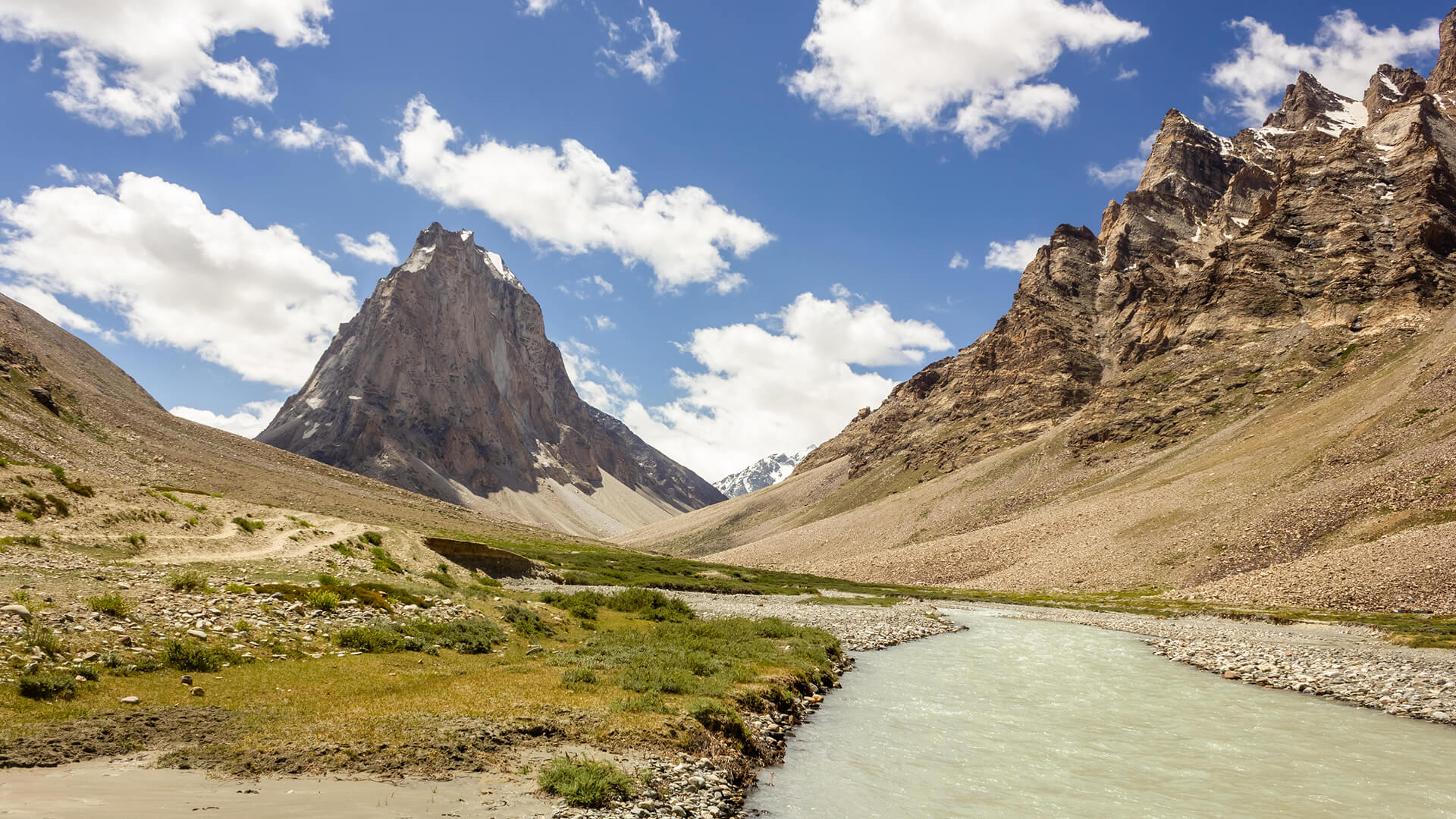
Padum to Darcha Trek: Complete High-Altitude Route Guide
The Padum to Darcha trek covers ~115–120 km in 8–9 days, crossing Shingo La (~5,060 m) between Zanskar and Lahaul.
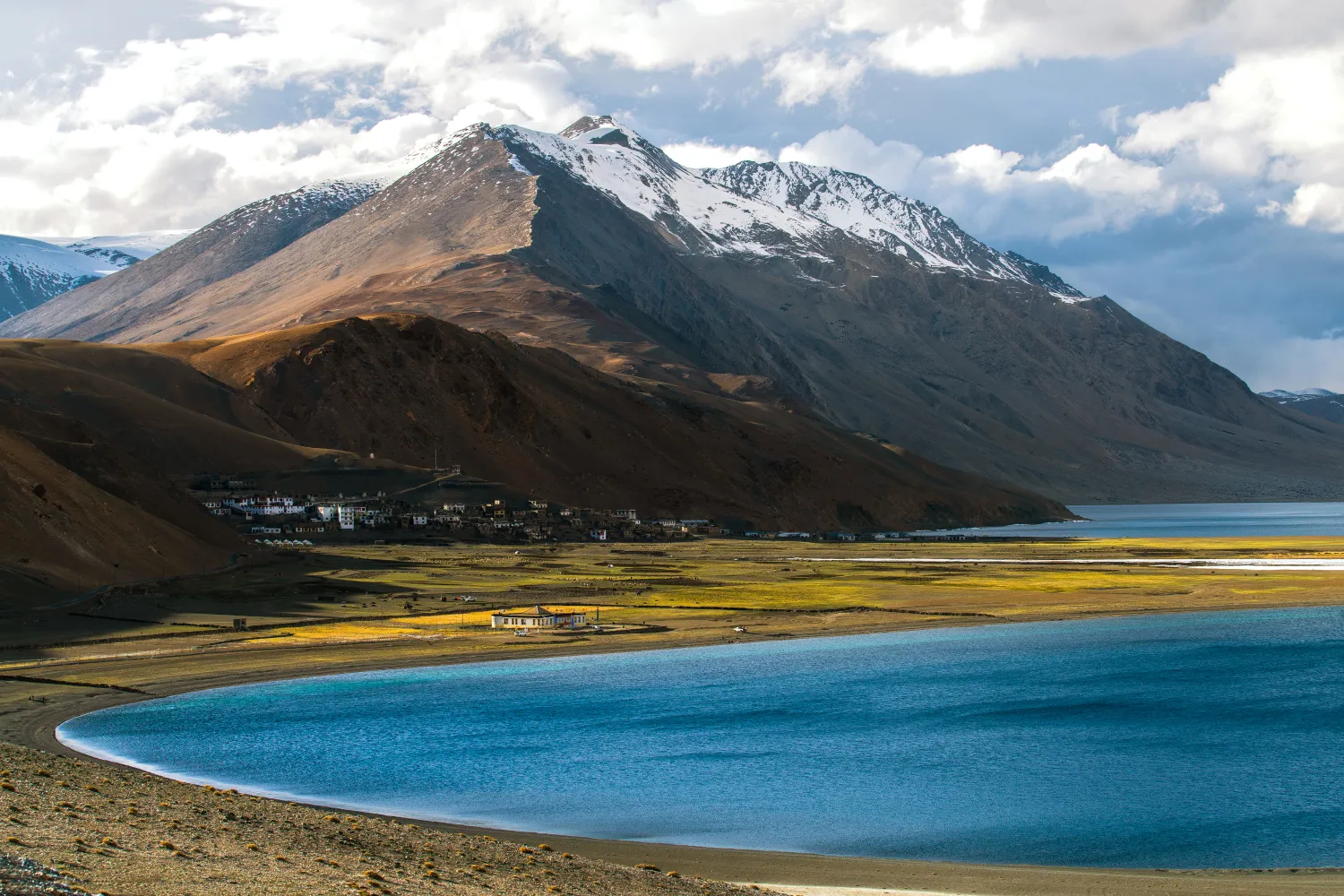
Rumtse to Tso Moriri Trek: Complete Ladakh Trail Guide
The Rumtse to Tso Moriri trek is an ~80 km, 7–8 day strenuous Ladakh trail crossing Kyamar La (~5,460 m) and Polokongka La (~5,190 m), ending at Tso Moriri Lake
Naranag Gangabal Trek: Complete Guide (2026)
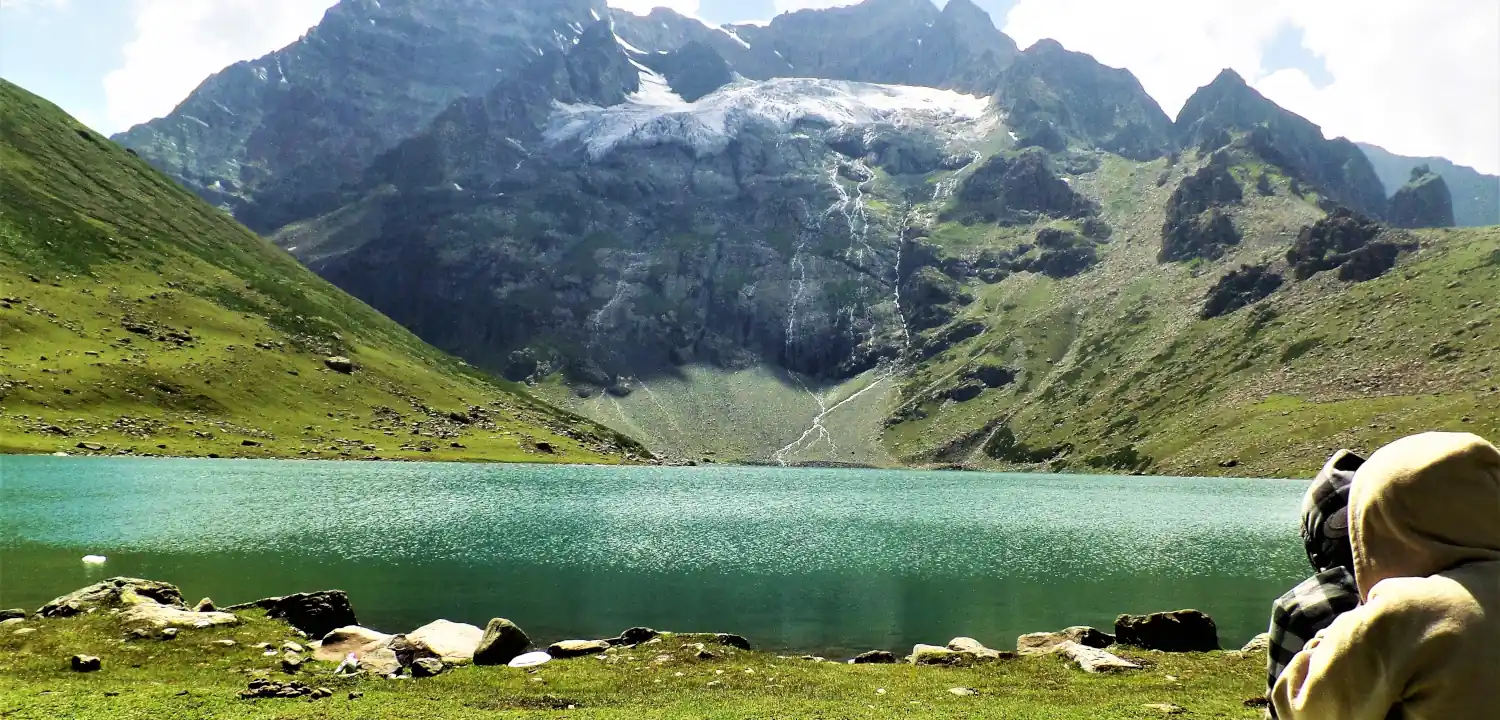
The Naranag Gangabal Trek is a 4–5 day moderate-difficult alpine trek in Kashmir, covering ~26–30 km from Naranag (2,150 m) to Gangabal Lake (3,570 m).
Common questions answered
Friendship Peak Base Camp sits at approximately 4800–5000m above sea level. The summit of Friendship Peak itself is at 5289m. The significant altitude of the base camp means even trekkers who are not attempting the summit will experience high-altitude conditions and should prepare accordingly.
Friendship Peak Base Trek — Latest News
43-Year-Old Indian Woman Climbs Europe’s Highest Peak And Unfurls Tricolour
43-year-old Indian mountaineer successfully climbs Mount Elbrus, inspiring Indian trekkers and women adventurers to pursue high-altitude expeditions worldwide.
At 43, UP woman scales Europe’s highest peak: ‘You cannot stop’
UP woman summits Mont Blanc at 43, inspiring Indian trekkers pursuing Friendship Peak Base Trek. Age is no barrier with proper training and acclimatisation.
'Age is just a number': How a 43-year-old Indian mother scaled Europe's highest peak
'Age is just a number': How a 43-year-old Indian mother scaled Europe's highest peak The New Indian Express
Live Conditions
Real-time weather & trail status
Trail Conditions
Crowdsourced reports from trekkers who've done this route
Sign in to add a trip report
Find a Trek Buddy
Connect with trekkers planning the same route
No buddies yet for this trek
Sign in and be the first to post a planning signal.