Why Nubra Valley Trek is on every trekker's list
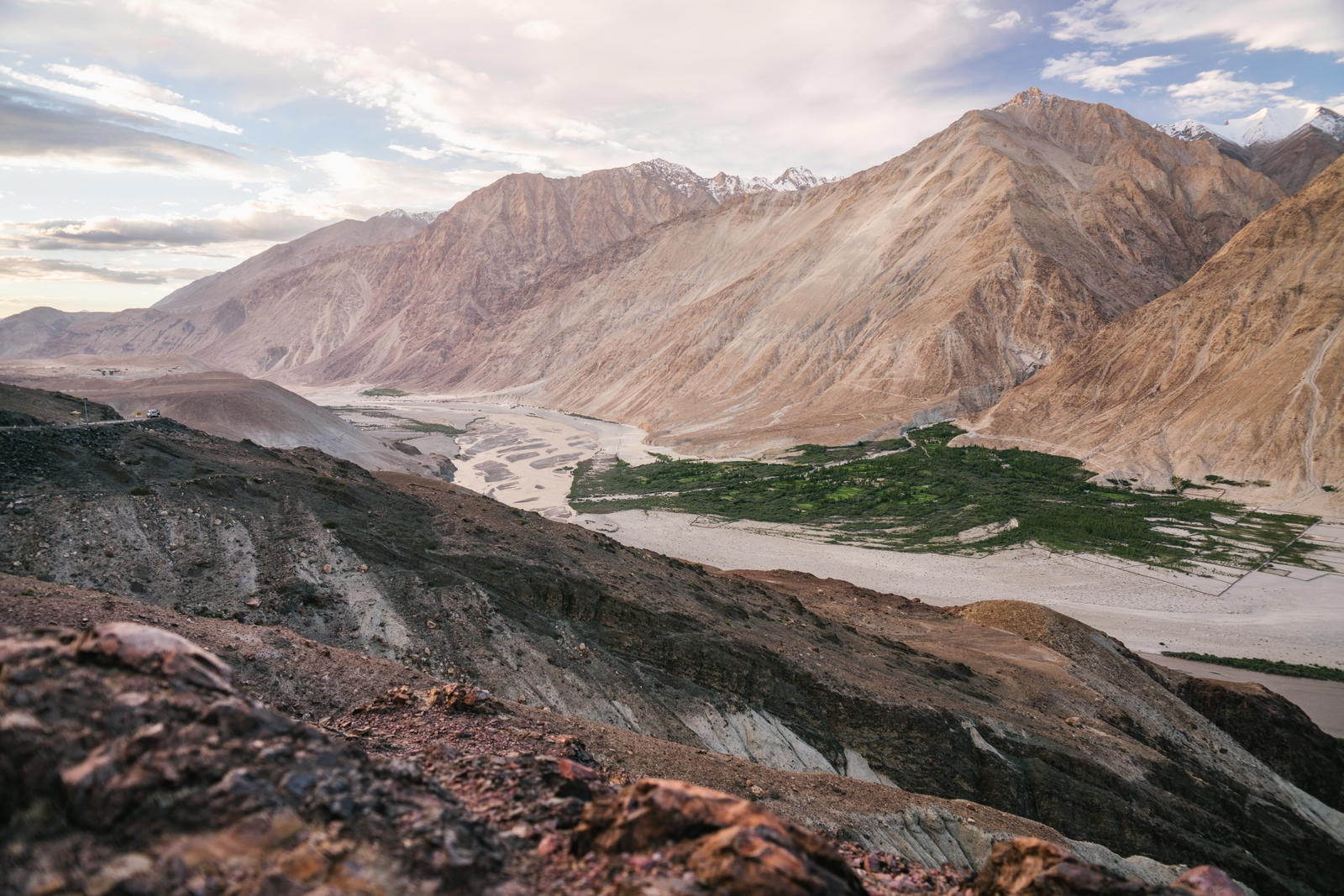
Tucked in the northernmost reaches of Ladakh, the Nubra Valley trek is a journey between worlds. In a single trek you cross one of the highest motorable passes on the planet, watch glacial rivers braid through a wide valley floor, and then — impossibly — find yourself walking across cold-desert sand dunes watched by double-humped Bactrian camels. Few treks in India pack this much landscape drama into one route.
Nubra (literally "valley of flowers" in Ladakhi) sits at the confluence of the Shyok and Nubra rivers, roughly 150 km north of Leh. The valley is bounded by the Karakoram range to the north and the Ladakh range to the south, and its strategic position near the Siachen Glacier has historically made it a closely guarded area — which is why an Inner Line Permit remains mandatory for visitors today.
This guide covers everything for the 2026 trekking season: the best routes, a full day-wise itinerary, permit requirements, realistic costs, essential gear, and the safety information you need to trek here responsibly.
Ladakh is full of extraordinary treks — Markha Valley, Zanskar, Stok Kangri — but Nubra has a combination of features that no other route quite replicates.
Khardung La (5,359 m): The classic approach crosses this legendary pass on the Ladakh range. While the "world's highest motorable road" claim is disputed by several Himalayan passes, Khardung La remains one of the highest road crossings accessible from Leh and the emotional high point of any Nubra approach. Read our dedicated Khardung La guide here.
Bactrian camels at Hunder: The sand dunes outside Hunder village host a small but thriving population of double-humped Bactrian camels — descendants of caravans that once plied the ancient Silk Route to Central Asia. Seeing them against a backdrop of 6,000 m peaks is genuinely surreal.
River confluence landscapes: The meeting of the Shyok and Nubra rivers creates wide braided channels, marshy wetlands, and gravel bars that are rich in birdlife and unlike anything on Ladakh's plateau.
Remote Buddhist monasteries: Diskit Gompa, perched on a clifftop above the valley, houses a 32-metre Maitreya Buddha statue. Panamik village further north has hot springs and a small monastery. These cultural anchors give the trek depth beyond scenery.
Snow-to-desert transition: Almost no other trek in India offers the experience of walking from glaciated high passes through alpine meadows, across river flats, and into genuine cold-desert dunes — all within 65–90 km.
For anyone comparing Ladakh trekking options, Nubra occupies a unique niche: more accessible than a full Karakoram expedition, more remote than a standard Leh day-tour, and more culturally layered than a pure summit attempt.
At a glance
Ask TrekSage about Nubra Valley Trek
Get instant answers grounded in verified trek data — beginner-friendliness, best months, permits, packing, and more.
The route at a glance
Three main routes serve the Nubra Valley trekking area, ranging from classic to restricted.
Route 1: Khardung La to Hunder via the Nubra Valley Floor (Recommended)
This is the standard Nubra Valley trek. Trekkers are driven to the Khardung La base or the South Pullu check-post, then trek northward over the pass and descend through Khardung village, across the valley floor via Khalsar, to Diskit and Hunder.
- Total trek distance: approximately 65 km over 5 trekking days
- Starting elevation: South Pullu (~4,700 m) or Khardung La (5,359 m)
- Lowest point: Hunder/Diskit (~3,048 m)
- Elevation profile: A single major ascent to Khardung La, followed by a long progressive descent with minor undulations across valley floor sections
- Terrain: Loose scree on the pass, compacted gravel and river-flat trails on the descent, sandy dune sections near Hunder
Route 2: Wari La Pass Route (Alternate / Less-trodden)
Starting from Sakti village near Leh, this route crosses Wari La pass (approximately 5,250 m) and descends into the Nubra Valley near Panamik. It avoids Khardung La entirely and sees significantly fewer trekkers, offering more authentic wilderness camping.
- Total trek distance: approximately 80–90 km with the Panamik extension
- Key feature: passes through the Karakoram Wildlife Sanctuary, where leopard, wolf, and Tibetan fox have been sighted
- Permit note: check whether the Karakoram Wildlife Sanctuary entry fee applies to your specific line of travel (see Permits section)
Route 3: Siachen Glacier Approach (Restricted — not open to civilians)
The upper Nubra Valley approaching Siachen Base Camp is a restricted military zone. Civilian trekking here is not permitted without special defence clearances that are rarely, if ever, granted for leisure trekking. Do not attempt this route without explicit written authorisation.
Simple trail map description (Route 1): Starting from Leh (3,524 m), drive north to Khardung La base. Trek over Khardung La (5,359 m), descend to Khardung village (~3,800 m). Continue northeast to North Pullu, then follow the Shyok River west to Khalsar (~3,050 m). Turn northwest to Diskit (~3,048 m) and Hunder (~3,100 m). The overall direction is a broad arc from the Ladakh range crest down to the valley floor.
What each day actually looks like
This 7-day itinerary includes two essential acclimatisation days in Leh and five active trekking days.
Day 1 — Arrive Leh | Altitude: 3,524 m
Highlights: Arrival, rest, hydration.
Fly or drive into Leh. Do not do anything strenuous. Altitude sickness symptoms commonly appear within the first 12–24 hours. Drink 3–4 litres of water, avoid alcohol, and sleep as soon as you feel ready. Sort your Inner Line Permit if you haven't done so online.
Day 2 — Leh Acclimatisation & Local Sightseeing | Altitude: 3,524 m–3,700 m
Highlights: Leh Palace, Shanti Stupa, Namgyal Tsemo Gompa.
A gentle walk up to Shanti Stupa (3,630 m) tests how your body is responding without significant elevation gain. Visit Leh Palace and local bazaars. Confirm trekking supplies, porter/guide bookings, and permit documents. Rest early.
Day 3 — Leh to Khardung La Base Camp | Distance: ~8 km trek after drive | Camp altitude: ~4,700 m
Highlights: Drive to South Pullu check-post, first high-camp night.
Drive from Leh to South Pullu check-post (~4,350 m), where permits are verified. Trek to your high camp below Khardung La (~4,700 m). Acclimatisation gains from the previous two days make this manageable, but move slowly. Expect cold, thin air, and strong winds after sunset.
Day 4 — Khardung La (5,359 m) to Khardung Village | Distance: ~12 km | Camp altitude: ~3,800 m
Highlights: Crossing Khardung La, first views of Nubra Valley, descent to Khardung village.
This is the hardest day. Start early (before 8 AM) to beat afternoon weather. The ascent to the pass takes 2–3 hours from high camp. At the top, spend no more than 20–30 minutes — altitude affects decision-making and energy fast. The descent to Khardung village is long (roughly 1,500 m of elevation loss) but spectacular. Camp near the village.
Day 5 — Khardung Village to Khalsar | Distance: ~18 km | Camp altitude: ~3,050 m
Highlights: Nubra Valley floor, Shyok River flats, remote nomadic settlements.
Today's trail is largely flat to gently descending, following the Nubra Valley floor east and then turning west towards Khalsar. The terrain alternates between compacted gravel, low scrub, and river-edge paths. Watch for the valley widening dramatically as you approach Khalsar. Wild roses bloom here in June–July.
Day 6 — Khalsar to Diskit / Hunder Camp | Distance: ~14 km | Camp altitude: ~3,048 m
Highlights: Diskit Gompa, Maitreya Buddha statue, Hunder sand dunes, Bactrian camels.
Walk from Khalsar northwest towards Diskit. Stop at Diskit Gompa — it's a steep 20-minute climb from the valley floor but unmissable. Continue to Hunder camp. Evening: walk to the sand dunes for golden hour. The sight of Bactrian camels against dunes with snow-peaks behind is the defining image of this trek.
Day 7 — Hunder Exploration & Drive Back to Leh | Distance: exploration only
Highlights: Early morning dunes walk, optional camel ride, drive back via Khardung La road.
Enjoy a leisurely morning at Hunder. Optional: a short camel ride on the dunes (approximately ₹300–500 per person). Drive back to Leh via the Khardung La road — roughly 3.5–4 hours, offering spectacular views without the physical exertion. Arrive Leh by late afternoon.
When to go
The Nubra Valley trek season 2026 runs from June to early October. Here is what each window offers:
June–July (Early Summer): This is arguably the best time for trekkers who want drama and colour. Snowmelt feeds wildflowers, the passes are freshly open, and trails are uncrowded. Khardung La may have residual snow near the top through mid-June. Days are long and temperatures on the valley floor are warm (15–22°C). Nights at high camp can drop to -5°C.
August (Peak Season): Excellent conditions across the board. All routes are fully open, guesthouses in Diskit and Hunder are operational, and resupply is straightforward. This is also the busiest period — expect more company at campsites and permits to sell out faster. Some light rain is possible due to the edges of the Indian monsoon, though Ladakh is largely in a rain shadow.
September–October (Autumn): Crowds thin dramatically after the first week of September. The air is crystal-clear, skies are deep blue, and the poplar trees in the valley turn gold in October. Nights become significantly colder (down to -10°C at high camp by late September). October is the last viable month — by late October, Khardung La is at serious risk of closure from early snowfall.
November–May (Winter/Spring): Khardung La is typically closed to civilian traffic November–May due to snow and military road clearance priorities. Trekking in this window is not recommended. The Wari La route is equally inaccessible. Temperatures at Khardung La can reach -30°C in January.
Ideal window for most trekkers: June through September.
Is this trek right for you?
Difficulty rating: Moderate to Difficult
The primary challenge is not technical terrain but sustained high altitude. Spending multiple days above 4,000 m — with a single push to 5,359 m at Khardung La — creates meaningful Acute Mountain Sickness (AMS) risk for anyone who has not properly acclimatised.
Daily elevation gain: approximately 600–900 m on ascending days, with 1,200–1,500 m of descent on the Khardung La crossing day.
Terrain types: Loose scree and compacted ice near the pass, rocky valley-floor tracks, sandy dune sections near Hunder, occasional shallow river crossings (particularly on the Wari La route and valley floor sections after snowmelt).
Who can do it: Reasonably fit adults who have completed at least one prior trek at altitude (ideally above 3,500 m). The two-day Leh acclimatisation is non-negotiable. This trek is not recommended for absolute beginners or those with cardiovascular or respiratory conditions without medical clearance.
Recommended training (4–6 weeks before departure):
- Cardiovascular base: 30–45 minutes of running, cycling, or swimming, 4–5 days per week
- Stair climbing: 20–30 minutes with a loaded backpack (8–10 kg) 3x per week
- Day hikes: at least two full-day hikes in the month before departure
- Strength: core and lower-body exercises (lunges, squats, single-leg deadlifts)
For detailed guidance on altitude sickness prevention, read our dedicated altitude sickness guide.
What permits you need
This is a mandatory section — do not head to Nubra Valley without the correct paperwork.
1. Inner Line Permit (ILP) — Mandatory for All Non-Ladakh Residents
The ILP is required for every Indian and foreign national who is not a permanent resident of Ladakh, to travel into the Nubra Valley (and most border-adjacent areas of Ladakh).
- Cost (2026): approximately ₹400–600 per person
- Validity: typically 7–15 days depending on application
- How to obtain:
- Online: Apply at lahdcpermit.org — recommended, faster, no queue
- In person: Deputy Commissioner (DC) Office, Leh — available on working days, usually same-day processing
- Authorised travel agents in Leh can also process ILPs for a small service fee
- Documents required: Aadhaar card (Indian nationals) or passport + visa (foreign nationals); two passport-size photographs; itinerary/dates of travel
- Checking: Check-posts at South Pullu (Khardung La approach) and at the Khalsar junction verify permits. Keep physical copies, not just phone screenshots.
- Group rules: Individual permits are issued per person — there is no group-only permit for Nubra Valley
For a full ILP walkthrough, see our Inner Line Permit Ladakh guide.
2. Protected Area Permit (PAP)
As of the 2026 season, a PAP is not required for the standard Nubra Valley tourist and trekking routes.
3. Karakoram Wildlife Sanctuary Entry
If your route (particularly the Wari La route from Sakti) passes through the Karakoram Wildlife Sanctuary, a wildlife entry fee may apply. Check with the Leh Forest Department before departure.
What this trek will cost you
Here is a realistic 2026 breakdown for both DIY and organised trekking approaches.
DIY Cost Breakdown (per person, 7 days)
| Expense | Estimated Cost (INR) |
|---|---|
| Inner Line Permit | ₹400–600 |
| Leh accommodation (2 nights × ₹800–1,500/night) | ₹1,600–3,000 |
| Camping fees (5 nights × ₹500–1,000/night) | ₹2,500–5,000 |
| Meals (7 days × ₹300–600/day) | ₹2,100–4,200 |
| Transport: Leh–South Pullu shared jeep | ₹800–1,200 |
| Transport: Hunder–Leh return jeep | ₹1,000–1,500 |
| Porter/Guide (5 trekking days × ₹1,200–1,800/day) | ₹6,000–9,000 |
| Miscellaneous (snacks, tips, camel ride, entry fees) | ₹1,000–2,000 |
| Total DIY estimate | ₹15,500–26,500 |
Organised Package Cost
All-inclusive trekking packages (covering Leh hotel accommodation, permits, transport, certified guide, porters, camping equipment, and all meals) typically range from ₹25,000–45,000 per person for a 7-day Nubra Valley trek in 2026.
Price varies by:
- Group size (solo travellers pay more than groups of 4+)
- Quality of camping equipment provided
- Whether the package includes Leh–Leh flights
- Season (peak August packages cost more)
TrekYatra offers curated Nubra Valley packages with experienced Ladakhi guides — check the Ladakh treks page for current 2026 pricing and availability.
What to pack
Pack light but pack right. The biggest mistake trekkers make on the Nubra Valley trek is underpacking for cold nights while overpacking camera gear.
Clothing
- Thermal base layers (top and bottom), moisture-wicking — at least 2 sets
- Mid-layer fleece or down sweater
- Down jacket (800-fill or higher) — essential for camp nights
- Waterproof and windproof hard-shell jacket and trousers
- Trekking trousers × 2 (lightweight, quick-dry)
- Warm trekking socks × 4–5 pairs (merino wool preferred)
- Liner gloves + insulated outer gloves
- Balaclava or neck gaiter
- Wide-brim sun hat (UV protection is extreme at altitude)
- Lightweight camp shoes or sandals
Footwear
- High-ankle waterproof trekking boots (broken-in before the trek — blisters at altitude are a serious problem). See our best trekking boots India guide for recommendations.
- Gaiters (essential for scree and snow near Khardung La)
Equipment
- 40–50 L backpack with rain cover
- Sleeping bag rated to -10°C (even in summer, high camp nights can be brutal)
- Trekking poles × 2 (telescoping, with snow baskets)
- Tent (only if camping independently — most organised treks provide this)
- Headlamp with spare batteries
- UV water purifier or filter + 2 × 1-litre water bottles
- Portable power bank (10,000 mAh minimum)
- Sunglasses (Category 3 or 4 UV protection — snow blindness is real)
Safety & Medical
- First-aid kit (blister plasters, antiseptic, bandages, pain relief)
- Diamox (Acetazolamide) — consult your doctor before the trek; commonly used to prevent AMS
- Pulse oximeter (cheap, lightweight, invaluable for monitoring SpO2)
- Lip balm with SPF and high-SPF sunscreen (SPF 50+)
- Rehydration sachets (ORS)
Documents
- Inner Line Permit (printed copy + phone backup)
- Government-issued ID (Aadhaar / passport)
- Travel insurance documents including emergency evacuation coverage
- Emergency contact card (laminated, stored separately from phone)
Stay updated on treks
Get seasonal trek recommendations, permit updates, and gear guides straight to your inbox.
Staying safe on the mountain
Acute Mountain Sickness (AMS)
AMS is the single biggest risk on this trek. Symptoms include headache, nausea, dizziness, and fatigue. If symptoms worsen (confusion, loss of coordination, difficulty breathing at rest), descend immediately — this is a medical emergency.
- Do not skip the two Leh acclimatisation days. Even if you feel fine.
- Ascend slowly. Follow the "climb high, sleep low" principle.
- Drink 3–4 litres of water per day throughout the trek.
- Avoid alcohol and sleeping pills in the first 48 hours.
- Carry a pulse oximeter — if your blood oxygen (SpO2) drops below 80% and stays there, descend.
- Diamox (125–250 mg twice daily) can help prevent AMS — discuss with your doctor beforehand.
Read more in our altitude sickness prevention guide.
Weather & Flash Flood Risk
The Shyok River is prone to glacial lake outburst floods (GLOFs) in high summer (July–August). Camp well above the river banks. Check weather and water levels locally before crossing valley-floor sections.
Sudden storms can roll in over Khardung La with little warning. Start early on pass-crossing days and be below the pass by early afternoon.
River Crossings
The Wari La route and some valley-floor sections involve shallow river crossings that become dangerous in afternoon peak melt. Always cross in the early morning when flow is lowest. Use trekking poles for stability and unbuckle your backpack hipbelt before crossing so you can shed the pack if you fall.
Wildlife
The Karakoram Wildlife Sanctuary is snow leopard territory. Sightings are rare but encounters have been recorded. Do not leave food scraps at camp. Make noise on blind trail bends.
Emergency Contacts
- Leh District Hospital: +91-1982-252014
- SDRF (State Disaster Response Force) Ladakh: contact through Leh District Control Room at 1077 (toll-free in India)
- Nearest helipad: Diskit (Nubra Valley) — medical evacuations are possible in daylight, clear weather conditions only
- Travel insurance with helicopter evacuation coverage is strongly recommended. At these altitudes, a rescue can cost ₹2–5 lakh or more without cover.
Similar treks to explore
Padum to Darcha Trek: Complete High-Altitude Route Guide
The Padum to Darcha trek covers ~115–120 km in 8–9 days, crossing Shingo La (~5,060 m) between Zanskar and Lahaul.
Rumtse to Tso Moriri Trek: Complete Ladakh Trail Guide
The Rumtse to Tso Moriri trek is an ~80 km, 7–8 day strenuous Ladakh trail crossing Kyamar La (~5,460 m) and Polokongka La (~5,190 m), ending at Tso Moriri Lake
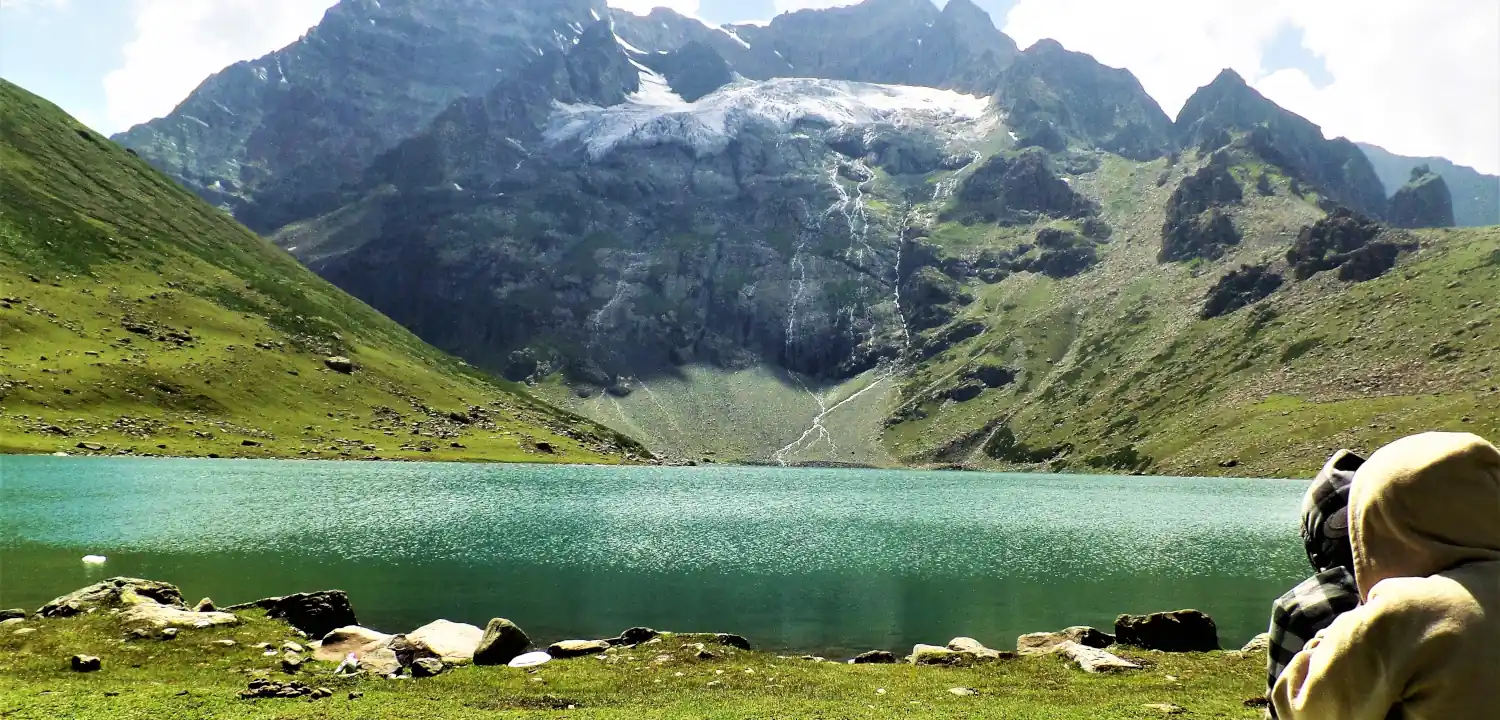
Naranag Gangabal Trek: Complete Guide (2026)
The Naranag Gangabal Trek is a 4–5 day moderate-difficult alpine trek in Kashmir, covering ~26–30 km from Naranag (2,150 m) to Gangabal Lake (3,570 m).
Common questions answered
June to September is the ideal window for the Nubra Valley trek. June–July offers lush valley greenery, fresh snowmelt flowers, and fewer crowds — though the pass may have residual snow through mid-June. August brings peak conditions with all facilities operational. September is a favourite for experienced trekkers: clear skies, golden light, and much quieter trails. Most passes close by late October due to snowfall, and trekking November–May is not recommended.
Nubra Valley Trek — Latest News
10 Best Places to Visit in September in India for a Perfect Seasonal Escape
Nubra Valley Trek in Ladakh gains recognition as a top September trekking destination. Plan ahead for permits, guides, and accommodation as trail popularity inc
Did You Know India Has A Natural Ice Cave You Can Actually Walk Into And It Is Straight Out Of A Fantasy Film?
Did You Know India Has A Natural Ice Cave You Can Actually Walk Into And It Is Straight Out Of A Fantasy Film? Times Now
Best Places To Visit In India In July: Hills, Beaches, Culture, And More
Outlook Traveller highlights Nubra Valley Trek as a premier July destination. Discover why this Ladakh trek offers optimal conditions and what trekkers must pre
Live Conditions
Real-time weather & trail status
Trail Conditions
Crowdsourced reports from trekkers who've done this route
Sign in to add a trip report
Find a Trek Buddy
Connect with trekkers planning the same route
No buddies yet for this trek
Sign in and be the first to post a planning signal.